


Earlier this year, the Agri-Food Analytics Lab forecast that Canada could lose approximately 4,000 restaurants on a net basis in 2026. The prediction attracted considerable attention because it captured the financial anxiety spreading across the industry.
At mid-year, however, the evidence suggests that the forecast was likely too pessimistic.
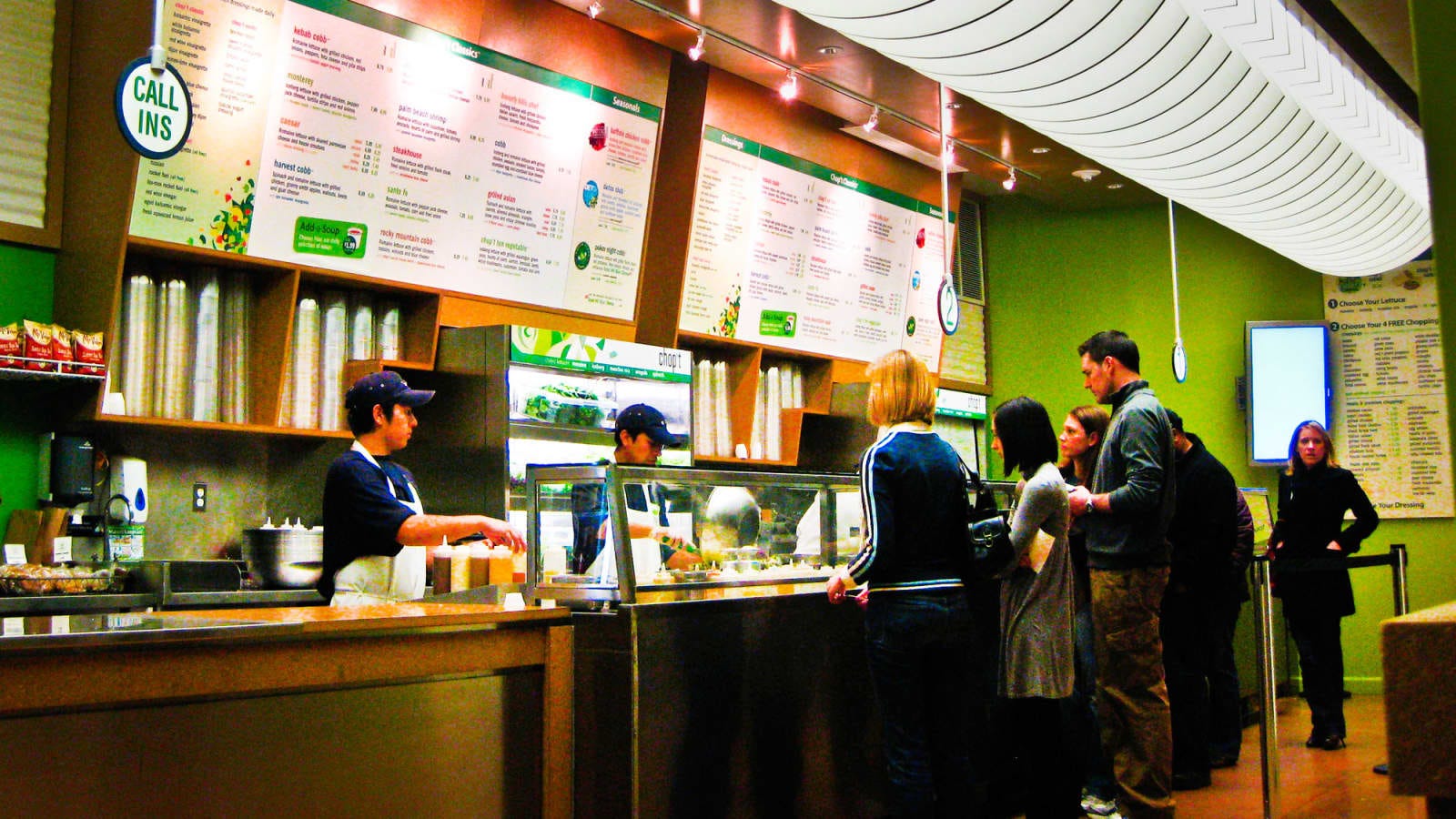
One private location tracker identified 579 Canadian restaurant closures during the first six months of 2026. The number is incomplete and cannot be converted into a net figure because comparable Canadian opening data are unavailable. Nevertheless, the anticipated collapse has not yet become visible on the scale originally expected.
So the good news, based on what we know today, Canada is unlikely to record 4,000 net restaurant closures this year.
That does not mean the industry is healthy. Restaurants Canada reports that 41% of operators are losing money or merely breaking even, up from 36% in March. Almost two-thirds say their profitability is lower than last year. Accommodation and food-service insolvencies reached 360 during the first half of 2026, approximately 7.5% more than during the same period last year. Second-quarter filings alone increased by almost 19%.
The crisis is real, but it is highly uneven.
Restaurants in Toronto and Vancouver face punishing rents, labour costs and insurance premiums. Yet population growth, tourism and affluent consumers continue to support demand. Montreal benefits from a strong dining culture and tourism, but operators contend with taxation, regulation and intense competition.
Alberta’s population growth and comparatively strong consumer economy offer some protection, while smaller markets across Atlantic Canada and the Prairies depend more heavily on seasonal traffic and narrow customer bases. Losing one restaurant in Toronto barely registers. Losing one in a small community can remove an important employer and gathering place.
The pressure also varies enormously by restaurant format.
Quick-service restaurants remain comparatively resilient. Their drive-thru networks, digital ordering systems, purchasing scale and aggressive value promotions give them advantages independent operators cannot easily replicate. When budgets tighten, consumers often trade down from full-service dining to fast food rather than stop eating out entirely.
Fast-casual restaurants may occupy the most uncomfortable position. They carry higher food and labour costs than traditional fast-food outlets but lack the service and sense of occasion that justify fine-dining prices. A $20 or $25 lunch is becoming harder to defend when consumers can trade down or eat at home.
Independent full-service restaurants remain the most exposed. They rely heavily on labour and on profitable additions such as alcohol, appetizers and desserts. They generally have less purchasing power, capital and technological capacity than large chains. A dining room can appear full on Saturday evening while the business loses money over the entire week.
Fine dining faces a different challenge. Affluent consumers are less sensitive to inflation, and special occasions remain important. But even wealthier customers are becoming more selective. They may visit less frequently, order fewer bottles of wine or skip dessert. Exclusivity can protect the top of the market, while the middle continues to be hollowed out.
Then there is the emerging GLP-1 effect.
The Agri-Food Analytics Lab estimates that approximately 8% of Canadian adults now use GLP-1 medications such as Ozempic, Wegovy or Mounjaro. These drugs could eventually remove about $3.4 billion annually from Canada’s food economy as users consume smaller portions, snack less and reduce their alcohol intake.
For restaurants, this will not necessarily produce empty dining rooms. It will appear through smaller bills: one appetizer instead of two, fewer drinks, unfinished entrées and fewer desserts.
That matters because the products most likely to be eliminated often generate the strongest margins. Customers may occupy a table for the same amount of time while spending considerably less. For an industry built on thin margins and table turnover, that shift is significant.
The GLP-1 effect will also differ by format. Fast-food and fast-casual operators built around frequency, portions and impulse purchases could face smaller orders. Fine-dining establishments may retain the occasion but lose profitable extras. Restaurants emphasizing protein, quality, smaller portions and experience may adapt better than those competing primarily on volume.
Why, then, has the anticipated closure wave not materialized?
Restaurant owners rarely close the moment they become unprofitable. They inject personal savings, borrow, reduce staffing, delay payments and stop paying themselves. New franchises and ambitious entrepreneurs also continue entering the market, replacing some of the establishments that disappear.
A more cautious outlook would now place the likely net decline between 1,500 and 2,500 restaurants, concentrated among independent, full-service and mid-market operators. Even that would represent a serious loss of jobs, entrepreneurship and community infrastructure.
The original forecast may prove too pessimistic, and that should be acknowledged openly. But the larger warning remains valid.
Canada may not lose 4,000 restaurants this year. What it is steadily losing is diversity, as independent dining gives way to chains, value formats and standardized experiences.
An entrepreneurial friend who started a new restaurant invited me to give it a try. I enjoyed the experience and as we chatted over coffee, he said he's already looking for his next project. I was a bit surprised by that. He explained the restaurant business is relatively high turnover. Most restaurants only last as long as their first lease. His intent was to do the set up work, then sell the business, lock stock and barrel. In other words, he recognized he was better at doing start-ups than he was at running a business so he played to his strengths.
Since then, each time I see a new restaurant, I take a mental note and watch to see how long it will last. So far, his prediction model seems to hold.
Yes, there are exceptional long-term restaurants who build a happy regular clientele but those are the exception. Family friends have a restaurant they've run for 30 years (owner/operator) and when the husband passed of cancer, the wife put the place for sale but refuses to sell it to anyone she believes would fundamentally change the business because it's a kind of neighbourhood anchor and she intends to remain in the neighbourhood.
Thank you Sylvain. This is one subject that consumes me at times. Pun intended! 😉
I’d like to inject another scenario. During the COVID period the hardest hit sector was hospitality. The during that same timeframe our immigration rates soared. When the restrictions were lifted, the majority of those that were employed didn’t return. Two reasons. One was the continuing uncertainty in that sector. The other was their replacement by inbound “low income labour”. Just pointing out the facts. (And why the government critically targeted this group)
Unfortunately, many customers can attest to the decline in service. Especially in the fast food environment.
On a broader scale, standard restaurants were “purchased or franchise owned” by “conglomerate families” ( for lack of a better term ).
The quality of the understanding of North American standards of customer service was absent.
Many Canadians chose not to frequent many chains and sought other alternatives.
In Toronto, for example, the dining scene is vast. There has always been diverse selections and special events highlighting cultural foods. That has also changed and become “vanilla” …. Meaning overwhelming…no longer special.
Even the restaurants claiming variety, don’t deliver quality or the customer service.
The culture that is imported is not accustomed to the North American standards.
I don’t mean this to be derogatory. Simply questioned and observed.
Even in higher end hotels, the dining experience is lacking in quality. Again, customer service and food presentation.
I am not a resident of Toronto, but do have relatives living in various parts.
As for the “drugs” mentioned, a completely different issue. If we, as North Americans, were a healthier society we wouldn’t need drugs. (Side note…Canadians on average may be healthier than Americans😉)
The GMO products should not be in any of our food sources. We shouldn’t need chemicals for nutritional purposes. Period. That is one aspect that Europe excels in. Along with pharmacies and naturopathic medicines working hand in hand.
Points to ponder.